We value your privacy

We use cookies to enhance your browsing experience, serve personalized ads or content, and analyze our traffic. By clicking "Accept All", you consent to our use of cookies. Read our Privacy Policy for more information.

Technology

The Complete Digital Marketing Playbook for Startups in 2026: 10 Proven Strategies

Rahul Das
May 19, 2026
12 min read
The Complete Digital Marketing Playbook for Startups in 2026: 10 Proven Strategies
Digital MarketingStartup GrowthSEOSocial MediaContent Strategy
Share this article:
AI

AI Search & Quick Summary

Key Takeaway: Master 10 proven digital marketing strategies for startups in 2026 — from SEO and content marketing to influencer partnerships, video marketing, community building, and data-driven optimization.

Optimized for AI Search Engines & Google AI Overviews.

Why Startups Need a Comprehensive Digital Marketing Strategy in 2026

The startup landscape in 2026 is more competitive than ever. With over 100 million new businesses launching globally each year and digital ad costs rising by 15-20% annually, founders who rely on a single marketing channel are setting themselves up for failure. The startups that thrive are those that build a diversified, data-driven marketing engine from day one.

Unlike enterprise companies with massive budgets, startups must be strategic about every dollar spent. The good news? Digital marketing has leveled the playing field. A bootstrapped startup with a smart content strategy can outperform a well-funded competitor running inefficient paid campaigns. This playbook covers 10 proven strategies that work specifically for startups in 2026, whether you are pre-revenue or scaling toward Series A.

Before diving into tactics, understand this foundational principle: marketing is not an expense — it is an investment with measurable returns. Every strategy below includes specific KPIs you should track and realistic timelines for seeing results.

Strategy 1: Search Engine Optimization (SEO) — The Long-Term Growth Engine

SEO remains the highest-ROI marketing channel for startups in 2026. While paid ads stop generating traffic the moment you stop paying, SEO compounds over time. A single well-optimized blog post can generate thousands of visitors every month for years.

How Startups Should Approach SEO in 2026

Start with keyword research using tools like Ahrefs, SEMrush, or free alternatives like Ubersuggest. Focus on long-tail keywords with lower competition but high purchase intent. For example, instead of targeting "project management software," target "best project management tool for remote teams under 20 people."

Build topical authority by creating clusters of content around your core offering. If you sell invoicing software, create content about invoicing best practices, tax compliance, freelancer payment tips, and invoice template guides. This signals to Google that you are an authority in your niche.

Technical SEO Essentials

  • Ensure your site loads in under 2.5 seconds (Core Web Vitals)
  • Implement proper schema markup for rich snippets
  • Create an XML sitemap and submit to Google Search Console
  • Use internal linking to distribute page authority
  • Optimize for mobile-first indexing

Timeline: Expect meaningful organic traffic in 4-6 months. Full compounding effects in 12-18 months.

Strategy 2: Content Marketing — Building Authority and Trust

Content marketing goes beyond blogging. In 2026, the most effective content strategies include a mix of long-form articles, case studies, whitepapers, interactive tools, and downloadable resources.

Creating Content That Converts

Every piece of content should serve one of three purposes: attract new visitors (top of funnel), educate prospects (middle of funnel), or convert leads into customers (bottom of funnel). Map your content calendar to these stages.

For startups, case studies are particularly powerful. Document your early customers' success stories with specific metrics. "How Company X Increased Revenue by 340% Using Our Platform" is far more compelling than generic feature descriptions.

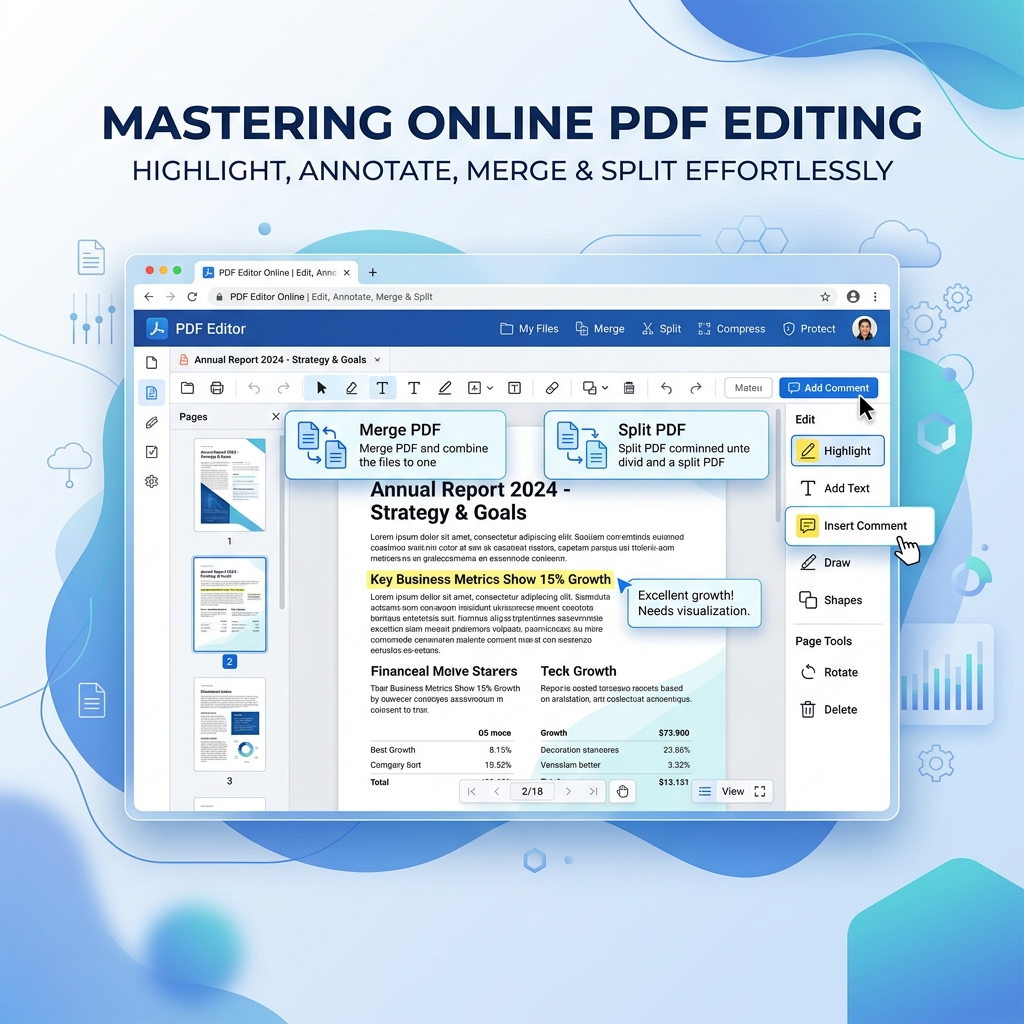
Create downloadable resources like PDF guides, checklists, and templates that prospects can use immediately. Tools like QuickRectify's PDF suite make it easy to create professional marketing collateral — from branded PDF presentations to compressed documents optimized for email distribution. You can merge multiple documents into comprehensive marketing packages or compress large PDF files for seamless sharing with leads.

Timeline: Content marketing starts generating leads within 3-4 months of consistent publishing (2-4 posts per week).

Strategy 3: Social Media Strategy — Platform-Specific Approaches

The biggest mistake startups make with social media is trying to be everywhere. In 2026, each platform serves a different purpose, and you should pick 2-3 maximum based on where your audience lives.

Platform Selection Guide

  • LinkedIn: Best for B2B startups, SaaS companies, and professional services. Post thought leadership content, company updates, and industry insights.
  • Instagram and TikTok: Ideal for B2C brands, e-commerce, and lifestyle products. Use short-form video content (Reels and TikToks) to showcase products and behind-the-scenes content.
  • X (Twitter): Great for tech startups, developer tools, and building founder personal brands. Engage in real-time conversations and industry discussions.
  • YouTube: Essential for products that require demonstration or education. Long-form tutorials and product walkthroughs build deep trust.

The 80/20 Content Rule

Spend 80% of your social media effort on providing value (tips, insights, entertainment, education) and only 20% on direct promotion. Audiences in 2026 are sophisticated — they unfollow brands that only push sales messages.

Timeline: Building a meaningful social following takes 6-12 months. Engagement and leads start earlier if content quality is high.

Strategy 4: Email Marketing — The Highest-ROI Channel

Email marketing generates an average of $42 for every $1 spent, making it the highest-ROI digital marketing channel. For startups, building an email list from day one is non-negotiable.

Building Your Email List

Offer genuine value in exchange for email addresses. Lead magnets that work in 2026 include free tools, templates, industry reports, exclusive discount codes, and early access to features. Place opt-in forms strategically on your website — exit-intent popups, inline forms within blog posts, and dedicated landing pages.

Email Automation Sequences

Set up these essential automated sequences: a welcome series (3-5 emails introducing your brand and value proposition), a nurture sequence (weekly educational content), an onboarding sequence (for new users or customers), and a re-engagement sequence (for inactive subscribers).

Use tools like Mailchimp, ConvertKit, or Brevo (formerly Sendinblue) for affordable email marketing. Segment your list based on behavior, interests, and stage in the buyer journey for maximum relevance.

Timeline: Email marketing starts generating revenue within 2-3 months of building a list of 500+ subscribers.

Strategy 5: Paid Advertising — Strategic Spend, Not Spray and Pray

Paid advertising can accelerate growth, but only when done strategically. Many startups waste thousands on poorly targeted ads. The key is starting small, testing aggressively, and scaling what works.

Google Ads for Startups

Start with search ads targeting high-intent keywords — people actively looking for solutions you provide. Set a modest daily budget ($20-50) and focus on conversion tracking. Use negative keywords aggressively to avoid wasting budget on irrelevant searches.

Meta Ads (Facebook and Instagram)

Meta's targeting capabilities remain powerful despite privacy changes. Use lookalike audiences based on your existing customers, and retarget website visitors who did not convert. Video ads consistently outperform static images in 2026.

Budget Allocation Framework

For early-stage startups, allocate no more than 30% of your marketing budget to paid ads. The remaining 70% should go to organic channels (SEO, content, social media) that compound over time. As you identify winning ad campaigns, gradually increase spend while maintaining positive ROAS (Return on Ad Spend).

Timeline: Paid ads can generate leads within days, but optimizing for profitability takes 4-8 weeks of testing.

Strategy 6: Influencer Marketing — Leveraging Trusted Voices

Influencer marketing has matured significantly by 2026. The most effective approach for startups is not chasing celebrities but partnering with micro-influencers (10,000-100,000 followers) and nano-influencers (1,000-10,000 followers) who have high engagement rates and genuine trust with their audience.

Finding the Right Influencers

Look for influencers whose audience demographics match your target customer. Prioritize engagement rate over follower count — a creator with 15,000 followers and 8% engagement rate will deliver better results than one with 500,000 followers and 0.5% engagement.

Negotiate performance-based deals where possible. Offer affiliate commissions, product exchanges, or hybrid compensation (small fee plus commission). This aligns incentives and ensures influencers are motivated to create authentic, high-converting content.

Timeline: Individual influencer campaigns can generate results within 1-2 weeks. Building long-term ambassador relationships takes 3-6 months.

Strategy 7: Video Marketing — The Dominant Content Format

Video content accounts for over 82% of all internet traffic in 2026. Startups that invest in video marketing see 49% faster revenue growth than those that do not.

Video Formats That Work for Startups

  • Short-form (15-60 seconds): Product teasers, tips, customer testimonials for TikTok, Reels, and Shorts
  • Medium-form (2-10 minutes): Product demos, how-to tutorials, feature walkthroughs for YouTube and website
  • Long-form (10-30 minutes): In-depth tutorials, webinars, interviews for YouTube and course platforms
  • Live streams: Product launches, Q&A sessions, behind-the-scenes content for building real-time engagement

Video Production on a Budget

You do not need expensive equipment. A modern smartphone, a $30 lavalier microphone, and natural lighting can produce professional-looking videos. Use free editing tools like CapCut or DaVinci Resolve. Authenticity matters more than production value in 2026.

Timeline: Video content can go viral immediately, but building a consistent audience takes 6-12 months of regular publishing.

Strategy 8: WhatsApp and Messaging Marketing — Direct Customer Connection

With over 2.7 billion active users globally, WhatsApp has become a critical marketing channel, especially for startups in Asia, Latin America, Africa, and Europe. WhatsApp Business APIs enable automated conversations, order tracking, customer support, and promotional messaging.

Effective WhatsApp Marketing Tactics

Use WhatsApp for transactional messages (order confirmations, shipping updates, appointment reminders) to build trust before sending promotional content. Create broadcast lists segmented by customer interest. Share exclusive offers, early access to new features, and personalized recommendations.

WhatsApp catalogs allow you to showcase products directly within the app, reducing friction in the buying process. Combine this with click-to-WhatsApp ads on Facebook and Instagram to drive high-intent conversations.

Timeline: WhatsApp marketing can generate immediate engagement and conversions once you have a subscriber base of 200+ contacts.

Strategy 9: Community Building — Creating Brand Advocates

The most resilient startups in 2026 are those that build communities around their brand. Community-led growth creates a flywheel where customers become advocates who bring in new customers organically.

Community Building Strategies

Choose a platform that fits your audience: Discord for tech and gaming communities, Slack for professional and B2B communities, Facebook Groups for consumer brands, or a dedicated forum on your website. Host regular events like AMAs (Ask Me Anything), workshops, and challenges. Recognize and reward active community members with exclusive perks, early feature access, or ambassador titles.

Document community insights and feedback in organized formats. Use QuickRectify's PDF tools to compile community feedback reports, create shareable meeting notes from community calls, and distribute product roadmap documents to your most engaged members.

Timeline: Building a thriving community takes 6-12 months, but the long-term value in retention and word-of-mouth is immense.

Strategy 10: Analytics and Data-Driven Optimization

The final strategy ties everything together. Without proper analytics, you are flying blind. In 2026, the startups that win are those that make decisions based on data, not gut feelings.

Essential Analytics Setup

  • Google Analytics 4: Track website traffic, user behavior, and conversion funnels
  • Google Search Console: Monitor search performance, indexing issues, and keyword rankings
  • Social media analytics: Track engagement, reach, and follower growth on each platform
  • Email marketing dashboards: Monitor open rates, click-through rates, and conversion rates
  • CRM analytics: Track lead-to-customer conversion rates and customer lifetime value

Key Metrics Every Startup Should Track

Focus on metrics that directly impact revenue: Customer Acquisition Cost (CAC), Customer Lifetime Value (LTV), LTV-to-CAC ratio (aim for 3:1 or higher), Monthly Recurring Revenue (MRR) growth rate, and churn rate. Vanity metrics like follower counts and page views matter only insofar as they correlate with revenue.

Set up weekly reporting dashboards and conduct monthly strategy reviews. Be willing to kill campaigns that are not performing and double down on channels that show positive ROI.

Timeline: Analytics provides immediate insights, but meaningful optimization requires 3-6 months of data collection.

Building Your Marketing Stack on a Budget

You do not need to spend thousands on marketing tools. Here is a budget-friendly stack for startups in 2026:

  • SEO: Google Search Console (free) + Ubersuggest (free tier)
  • Content: WordPress or Ghost (free/affordable) + Canva (free tier) for graphics
  • Social Media: Buffer or Later (free tiers) for scheduling
  • Email: Mailchimp (free up to 500 contacts) or Brevo (free tier)
  • Analytics: Google Analytics 4 (free) + Hotjar (free tier) for heatmaps
  • PDF and Documents: QuickRectify PDF Tools (free) for all document creation, compression, merging, and conversion needs

Frequently Asked Questions

What is the most effective digital marketing strategy for startups with limited budgets?

Content marketing combined with SEO is the most cost-effective strategy for budget-constrained startups. While it takes longer to see results compared to paid advertising (typically 4-6 months), it compounds over time and provides sustainable organic traffic without ongoing ad spend. Start by creating 2-4 high-quality blog posts per week targeting long-tail keywords in your niche.

How much should a startup spend on digital marketing in 2026?

Most successful startups allocate 15-25% of their revenue to marketing in the growth phase. For pre-revenue startups, plan to invest $500-2000 per month across all channels. Focus heavily on organic strategies (SEO, content, social media) that cost primarily time rather than money, and use paid advertising strategically with small test budgets of $20-50 per day.

Should startups focus on one marketing channel or multiple channels simultaneously?

Start with 2-3 channels maximum. Attempting to be active on every platform leads to mediocre results everywhere. Choose your primary channel based on where your target audience spends time, then add secondary channels once you have achieved consistent results on the first. A common effective combination for B2B startups is LinkedIn + SEO + Email Marketing.

How do I measure the ROI of digital marketing for my startup?

Set up proper attribution tracking from day one using UTM parameters, conversion pixels, and CRM integration. Calculate Customer Acquisition Cost (CAC) for each channel by dividing total channel spend (including time cost) by the number of customers acquired. Compare this to Customer Lifetime Value (LTV) — your LTV-to-CAC ratio should be at least 3:1 for sustainable growth.

Is social media marketing still worth it for startups in 2026?

Yes, but only with a strategic approach. Organic reach has declined significantly on most platforms, so startups need to focus on creating genuinely engaging content rather than promotional posts. Video content (especially short-form) consistently outperforms other formats. The key is choosing 1-2 platforms where your audience is most active rather than spreading yourself thin across all social networks.

Conclusion: Building a Sustainable Marketing Engine

Digital marketing for startups in 2026 is not about finding one magic channel — it is about building a diversified, data-driven marketing engine that compounds over time. Start with the strategies that match your budget and audience, measure everything, and continuously optimize based on what the data tells you.

The startups that win are not necessarily those with the biggest budgets. They are the ones that understand their customers deeply, create genuine value through their content, and make smart decisions about where to invest their limited resources. Begin with two or three strategies from this playbook, execute them consistently for six months, and let the data guide your expansion into additional channels.

Rahul Das

About the Author: Rahul Das

Tech Enthusiast, Software Developer, and Content Creator. Passionate about building scalable web applications and sharing practical knowledge to help students and professionals grow in their tech careers.

Published: May 19, 2026

Enjoyed this article?

Subscribe to our newsletter for more insights, tutorials, and industry updates delivered directly to your inbox.