How to Land Your First Tech Internship in 2026: The Ultimate Guide for Engineering Students

AI Search & Quick Summary
Key Takeaway: A comprehensive 2026 guide for engineering students to land their first tech internship — covering resume crafting, project portfolios, interview prep, and networking.
The Ultimate Blueprint for Securing Your First Tech Internship in 2026
Landing your first tech internship is one of the most critical milestones in any engineering student’s career trajectory. In the highly competitive landscape of 2026, simply knowing how to write a few loops or create a basic web page is no longer enough to stand out. Companies are looking for candidates who demonstrate not just technical aptitude, but also problem-solving skills, real-world project experience, and excellent communication abilities.
This comprehensive guide is designed to take you from a complete beginner to a highly sought-after intern. Whether you are aiming for FAANG (Facebook, Apple, Amazon, Netflix, Google), high-growth startups, or established enterprises, this ultimate guide covers everything from building your foundation to negotiating your offer.
1. Foundation Building: The Prerequisites
Before you even think about applying for internships, you need a rock-solid technical foundation. Most technical interviews and online assessments test your grasp of core computer science fundamentals.
Mastering Data Structures and Algorithms (DSA)
DSA remains the gold standard for evaluating technical competence. You must be comfortable with Arrays, Linked Lists, Stacks, Queues, Trees, Graphs, and Dynamic Programming. Spend time daily on platforms like LeetCode, Codeforces, or HackerRank. Aim to solve at least 150-200 medium-level problems to build pattern recognition.
Core CS Subjects
Do not neglect your core subjects. Ensure you have a deep understanding of:
- Object-Oriented Programming (OOP): Classes, inheritance, polymorphism, encapsulation, and design patterns.
- Database Management Systems (DBMS): SQL queries, indexing, normalization, and ACID properties.
- Operating Systems (OS): Threads, processes, memory management, and deadlocks.
- Computer Networks: OSI model, TCP/IP, HTTP/HTTPS, and basic routing.
2. Project Portfolio: Prove You Can Build
In 2026, a resume without substantial projects is a resume that gets ignored. Your projects are your proof of competence. They show that you can translate theoretical knowledge into functional software.
What Makes a Good Project?
Avoid generic tutorial projects like "To-Do Lists" or basic calculators. Instead, build systems that solve real problems. Here are a few ideas:
- Full-Stack Web Application: Build an e-commerce platform, a social media dashboard, or a project management tool using modern frameworks like React, Node.js, and MongoDB or PostgreSQL.
- Data Engineering/Machine Learning Pipeline: Scrape real-world data, clean it, train a model, and deploy it via a REST API.
- Cloud-Native Application: Build an app that utilizes AWS/GCP services like S3, Lambda, or Firebase, showcasing your understanding of scalable architecture.
Always host your projects live (e.g., Vercel, Heroku, AWS) and ensure your GitHub repositories have comprehensive README.md files explaining the architecture, tech stack, and setup instructions.
3. Resume Crafting: Getting Past the ATS
Your resume is your marketing brochure. Most recruiters spend less than 7 seconds reviewing a resume, and many companies use Applicant Tracking Systems (ATS) to filter out candidates before a human even sees them.
Essential Resume Tips
- Keep it to One Page: As a student, there is rarely a justification for a multi-page resume.
- Action Verbs and Quantifiable Metrics: Instead of saying "Worked on a database," say "Optimized PostgreSQL queries, reducing API response time by 40%."
- Highlight Skills and Projects: Place these sections prominently below your education.
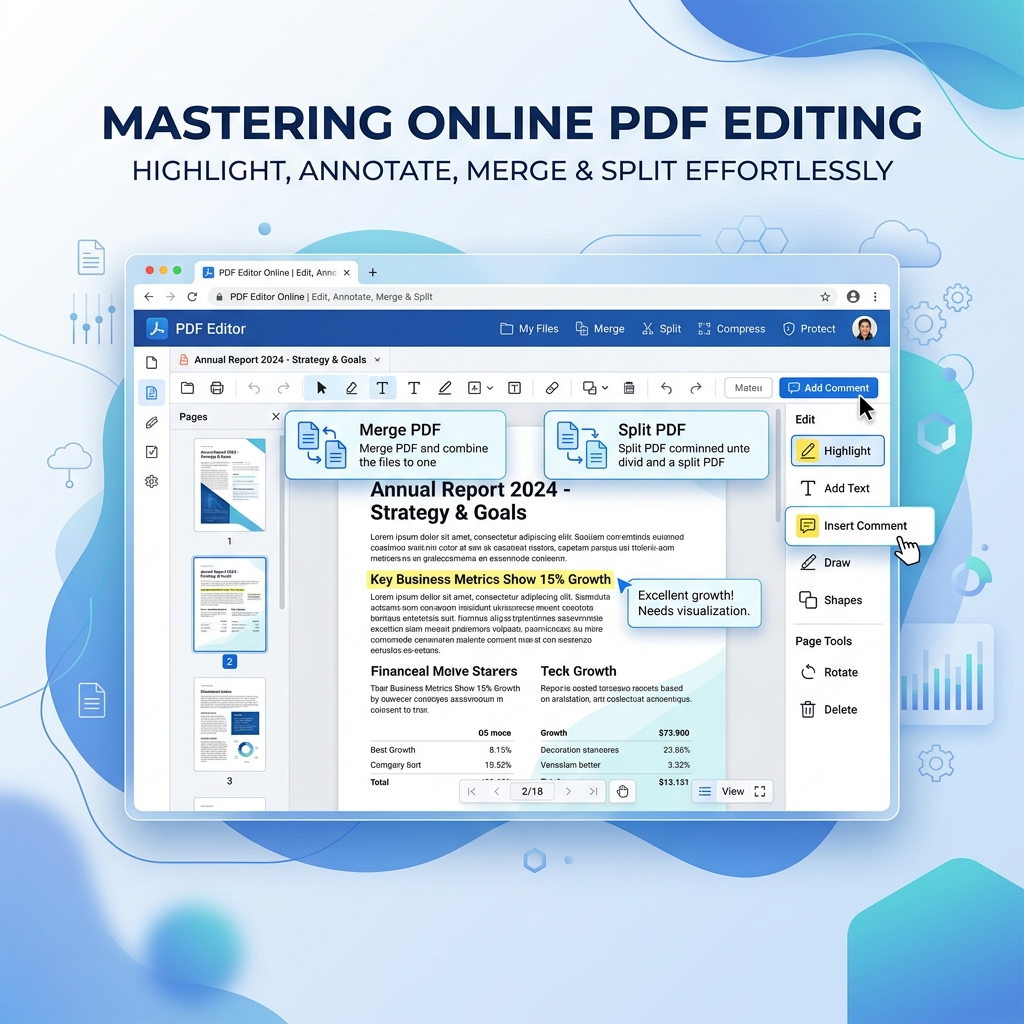
- Use PDF Format: Always submit your resume as a PDF to preserve formatting. If you need to convert your resume from Word or other formats, use our free PDF tools to ensure perfectly formatted, ATS-friendly documents.
4. GitHub Profile Optimization
Your GitHub profile is your digital portfolio. A green contribution graph shows consistency, but quality matters just as much.
- Pin Your Best Repositories: Pin 4-6 of your most impressive, complete projects to the top of your profile.
- Write a Great Profile README: Use the special profile README to introduce yourself, list your skills, and showcase your current learning goals.
- Open Source Contributions: Even minor bug fixes or documentation improvements in popular open-source projects can significantly boost your credibility.
5. Interview Preparation: Coding and Behavioral
Securing the interview is only half the battle. You must be prepared to ace both the technical and behavioral rounds.
Coding Interviews
Technical interviews evaluate your problem-solving process as much as the final solution. Practice the "Think Out Loud" method. When presented with a problem:
- Clarify the requirements and constraints.
- Discuss a brute-force approach first.
- Optimize the solution, discussing time and space complexity.
- Write clean, modular code.
- Dry run your code with edge cases.
Behavioral Interviews
Do not underestimate behavioral rounds. Companies use these to assess culture fit and soft skills. Use the STAR method (Situation, Task, Action, Result) to structure your answers for common questions like:
- "Tell me about a time you faced a technical challenge."
- "Describe a situation where you had a conflict with a team member."
- "Why do you want to intern at our company?"
6. Networking on LinkedIn
Applying through job portals often feels like sending your resume into a black hole. Networking is the key to unlocking the hidden job market and securing referrals.
- Optimize Your Profile: Use a professional headshot, write a compelling headline (e.g., "CS Junior @ University | Seeking SWE Internships | React & Node.js"), and detail your projects.
- Engage with Content: Comment thoughtfully on posts from engineers and recruiters in your target companies.
- Cold Outreach: Reach out to university alumni working at your dream companies. Ask for a brief informational chat rather than begging for a referral outright.
7. Common Mistakes to Avoid
Many talented students miss out on internships due to avoidable errors:
- Applying Too Late: For summer internships in 2026, the application cycle often begins in August or September of 2025. Apply early!
- Ignoring Company Culture: Failing to research the company's core values can hurt you in behavioral interviews.
- Giving Up After Rejections: Rejection is a normal part of the process. Use it as feedback, identify your weak points, and improve.
8. Salary and Offer Negotiation
While many internship salaries are standardized, there is sometimes room for negotiation, especially if you have multiple offers or exceptional experience.
- Do Your Research: Use sites like levels.fyi to understand the standard compensation for interns at the company.
- Be Professional: Frame your negotiation around the value you bring and your excitement for the role, rather than making demands.
- Consider the Full Package: Look beyond the hourly rate. Consider housing stipends, relocation bonuses, and the long-term conversion rate to full-time roles.
Frequently Asked Questions (FAQs)
When should I start applying for summer tech internships?
For top-tier tech companies and quantitative finance firms, the recruiting cycle begins very early—often in August or September of the year prior to the internship. For startups and mid-size companies, hiring can happen year-round, peaking in the spring.
Is a high GPA necessary to get a tech internship?
While a high GPA can help get past initial resume screens (especially at traditional financial firms or consulting companies), the tech industry heavily prioritizes practical skills and projects. A candidate with a 3.0 GPA and exceptional projects will almost always beat a candidate with a 4.0 GPA and no practical experience.
Should I focus on LeetCode or building projects?
You need both, but the balance depends on the companies you are targeting. Big Tech companies rely heavily on LeetCode-style algorithmic interviews. Startups often care more about your ability to build and ship products, making your portfolio more important. A good rule of thumb is 60% projects / 40% LeetCode in your sophomore year, shifting to 60% LeetCode / 40% projects as interview season approaches.
Can I get an internship as a freshman or sophomore?
Yes, though it is more challenging. Many large companies have specific programs aimed at underclassmen (e.g., Google STEP, Microsoft Explore, Meta University). Additionally, local startups are often more willing to take a chance on younger students who demonstrate strong self-learning abilities.
Conclusion
Landing your first tech internship requires dedication, strategic planning, and resilience. By mastering core fundamentals, building a robust portfolio, optimizing your resume, and mastering the interview process, you significantly increase your chances of success in the competitive 2026 job market. Stay consistent, keep building, and remember that every expert was once a beginner.

About the Author: Rahul Das
Tech Enthusiast, Software Developer, and Content Creator. Passionate about building scalable web applications and sharing practical knowledge to help students and professionals grow in their tech careers.
Related Articles

The Complete Resume Writing Guide for Freshers in 2026: Get Shortlisted Every Time
A complete 2025 guide to writing a resume as a fresher — sections, format, common mistakes, ATS tips, and how to showcase projects with zero experience.

The Complete DSA Roadmap for Placements in 2026: From Zero to FAANG-Ready
A 20-week structured DSA roadmap for college students preparing for tech placements — from Array basics to Dynamic Programming and Graph algorithms.

Google Interview Preparation 2026: What Engineers Actually Ask and How to Prepare
A comprehensive guide to Google software engineering interviews — the process, what they evaluate, preparation timeline, and common topics with examples.
Enjoyed this article?
Subscribe to our newsletter for more insights, tutorials, and industry updates delivered directly to your inbox.